

Csókától a Franc-ig – Master of Wine a Teraszon
2017. december 05.
A novemberi Franc&Franc hétvégére sokszázan jöttek el a Villányi Franc kedvéért a Villányi borvidékre. A Villányi Franc „univerzumot” egy szakmai konferencia és egy kóstolós közönségnap segítségével jártuk be. Mi nagyon élveztük az értékes előadásokat, jó beszélgetéseket, tanulságos eszmecseréket.
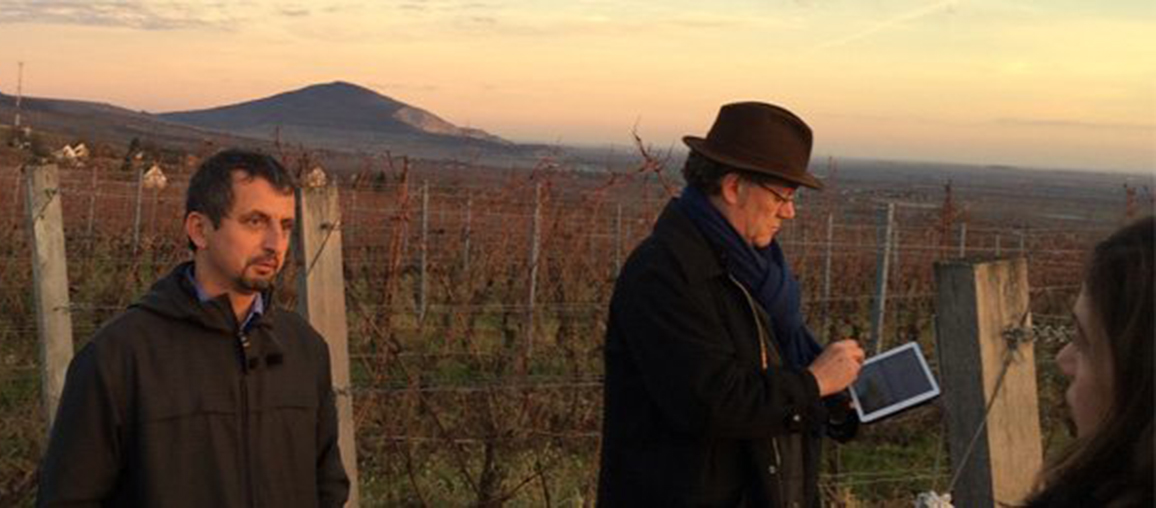
Az egyik legérdekesebb találkozás az új zélandi származású, az Angliában tevékenykedő, Peter McCombie MW– al történt, hiszen mindig nagy izgalom és tanulság, ha a borvilág nagyágyúi érkeznek hozzánk. A Master of Wine-okat szakmai tapasztalatuk és tekintélyüknél fogva humorosan csak a borvilág Jedi lovagjaiként is emlegetik, akikből alig párszáz van a világon.
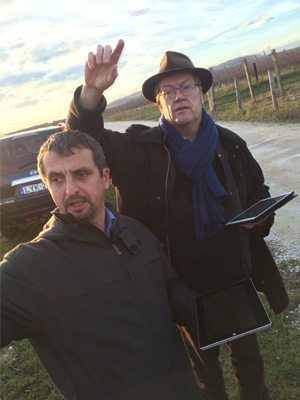
Rengeteg bort kóstolt, s több pincében járt a pár nap alatt, hogy mélyebb képet kapjon a borvidékről.
Első a szőlő, majd a borok!
Villányi első útja a Vylyan Szőlőbirtok Városhegyi része volt, ide érkezett Horkai András (borszakértő, a CEWI boriskola vezetője) és Lilla O’Connor (Wines of Hungary) társaságában, hogy a Vylyan és a Wassman szőlőket megnézze (hiszen itt szomszédok vagyunk), s a szőlőben kapott kép alapozza meg a további ismerkedést.
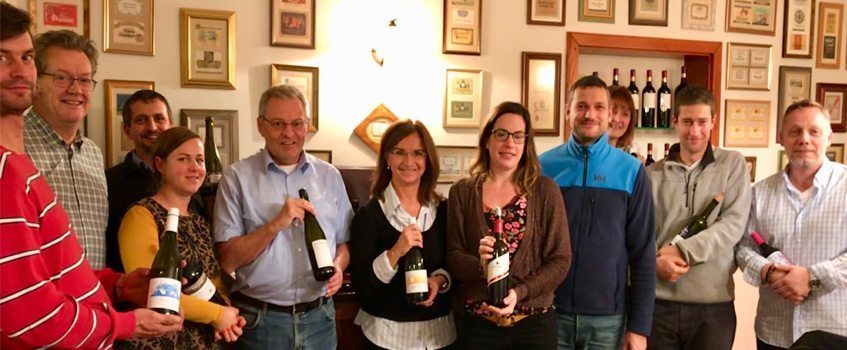
Egy olyan borkóstolót szerveztünk a Vylyan Teraszon, ahol a borvidék „nyugati fele” (Kisharsánytól Diósviszlóig) mutatkozott be, főleg helyi fajtákat mutattunk be neki, borász kollégákkal.
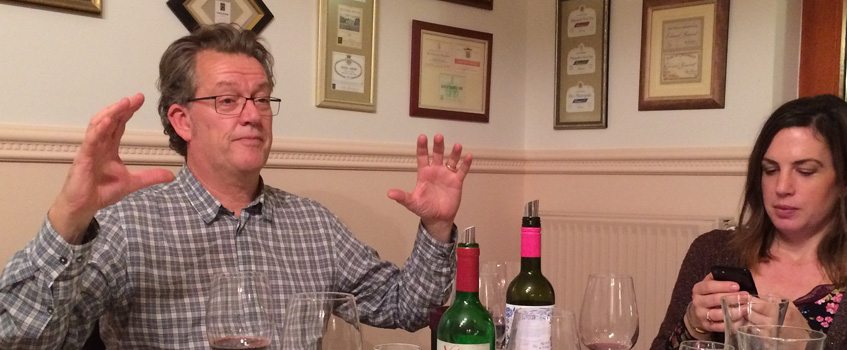
Érdekesség, hogy életében először kóstolt Csókát, ami nem csoda, hiszen valóban ritka fajtának számít. A hangulatos kóstoló végén pedig, a kedves borász társaság és a MW tiszletetére felbontottuk a féltve őrzött 1994-es Kékoportó utolsó palackjainak egyikét. A bor még mindig „félelmetesen” jó állapotban van, érett és még mindig élettel teli.
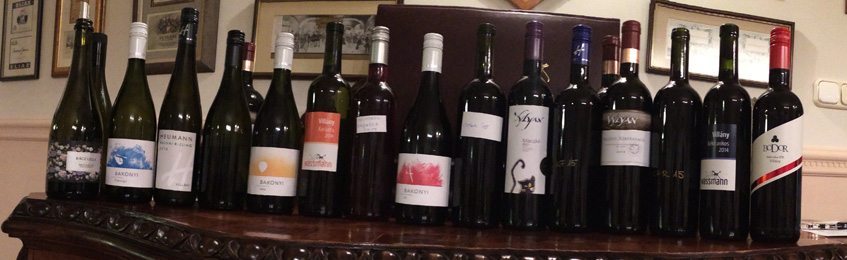
Borsor Kisharsánytól Diósviszlóig
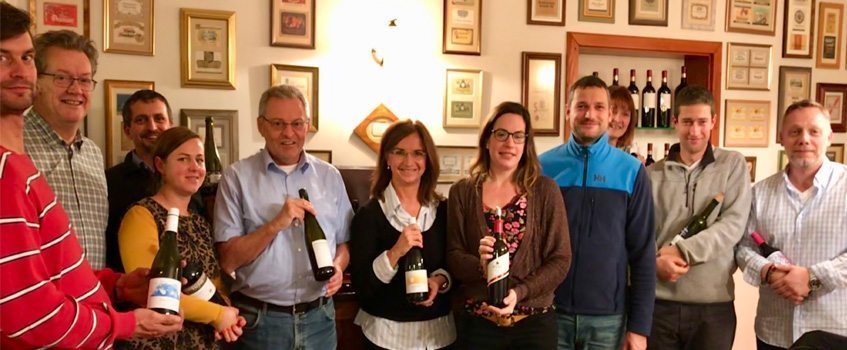
balról: Latorczai László, Peter Mc Combie MW, Ipacs Szabó István, Iványi Emese, Erhard Heumann, Debreczeni Mónika, Lilla O’Connor, Rácz Miklós, Susann Wassmann, Bakonyi Péter, Horkai András